
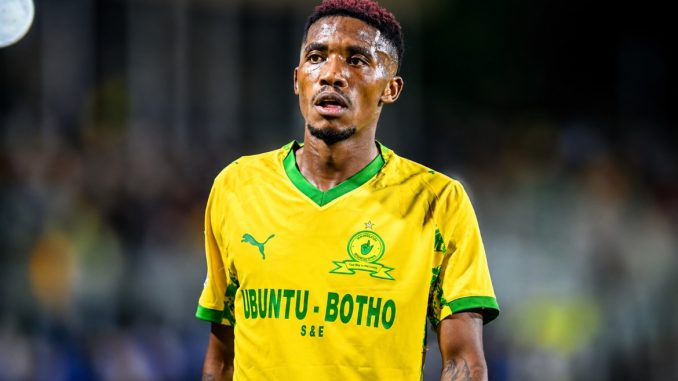
The situation surrounding Monnapule Saleng has once again raised important questions about the mental and emotional wellbeing of professional footballers, with his agent, Karabo Mathang Tshabuse, suggesting that the winger’s struggles extend far beyond what happens on the football pitch.
Tshabuse has opened up about his concerns for his client, making it clear that what Saleng may be experiencing should not simply be labelled as misbehaviour or a lack of discipline.
“This is not misbehaviour. I can see there’s an issue and how it’s manifesting itself, but I’m not a medical doctor.”
The agent explained that while he has a responsibility to recognise when something is wrong and encourage his client to seek assistance, there are limits to what he can personally do.
“I can call for help, walk with my client for that help, but it is up to him to say let’s take it.”
His comments highlight one of the biggest challenges surrounding mental health in professional sport. Footballers operate under enormous pressure, facing expectations from supporters, coaches, teammates, clubs and the media. When a player begins struggling away from the pitch, the signs can sometimes be misunderstood as attitude problems, poor discipline or a lack of commitment.
Saleng’s situation has therefore sparked a wider conversation about how South African football clubs support their players beyond their physical fitness.
PSL clubs invest heavily in physiotherapists, doctors, fitness coaches and other specialists to protect players from physical injuries. But should mental health receive the same level of attention?
Having full-time psychologists or mental-health professionals at clubs could provide players with a confidential and professional environment where they can speak about their struggles before they become more serious. It could also help clubs identify warning signs earlier and ensure players receive appropriate support.
Footballers are human beings before they are athletes. Their mental wellbeing can affect their confidence, relationships, performances and overall lives.
The conversation surrounding Saleng should therefore go beyond football. It should encourage the PSL and individual clubs to consider whether stronger mental-health structures are needed across South African football.
Sometimes, asking for help is the hardest step. And as Tshabuse’s comments underline, recognising the need for help is important — but the player must ultimately be willing to accept it.
Leave a Reply